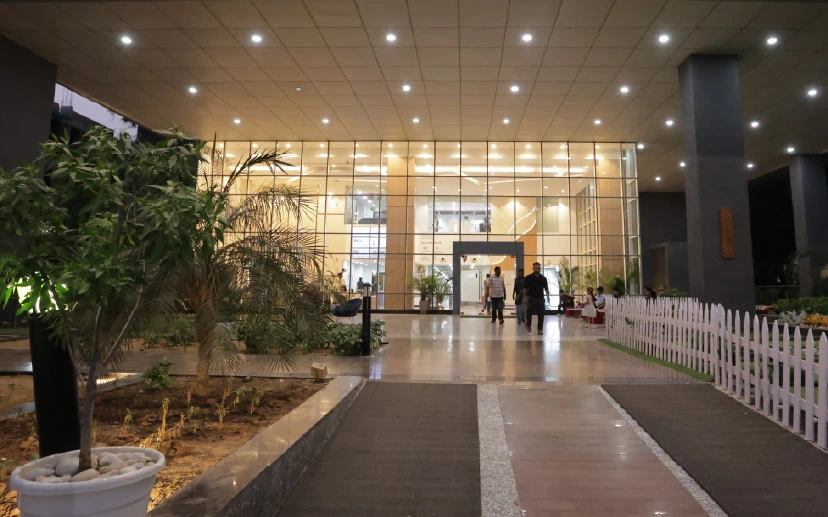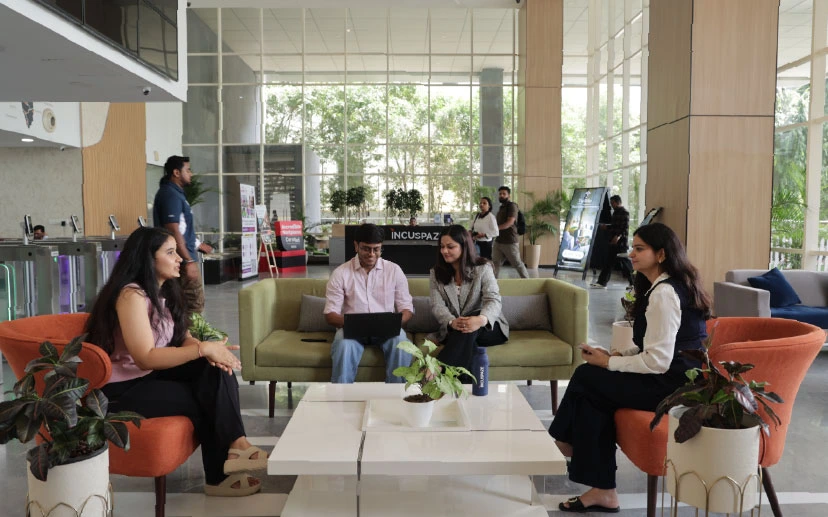


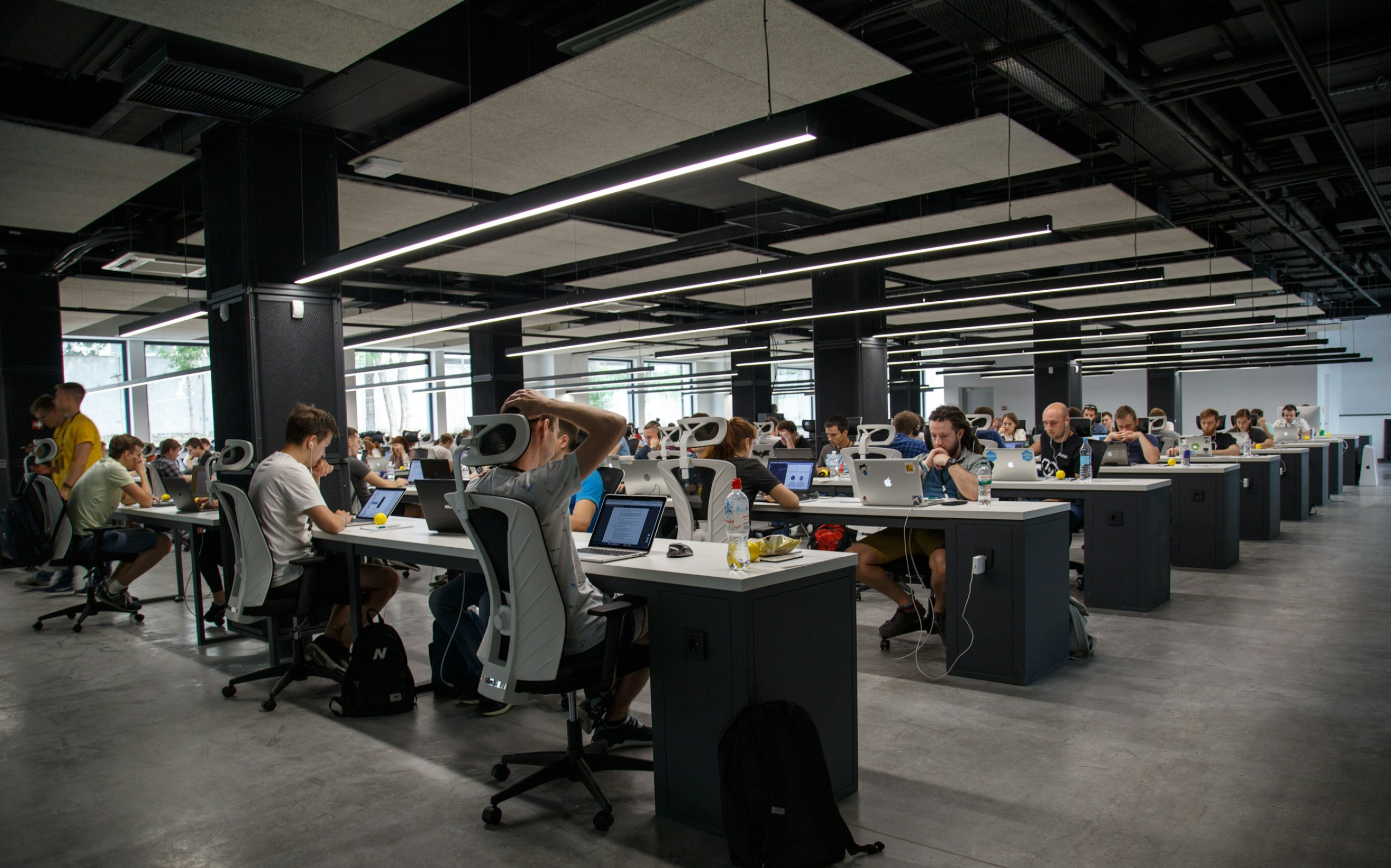


The modern office has evolved far beyond a physical location. Today's workspace serves as a hub for collaboration, innovation, and productivity – reflecting organisational culture and values. With markets shifting fast, traditional offices are being swapped out for smarter alternatives built around solutions tailored to specific needs. From conventional corporate environments to flexible coworking arrangements, hybrid models, and virtual setups, executives now have a lot of workspace options that align with business objectives, team structure, and growth plan.
Types of Office Spaces
The right choice depends on factors including company size, industry, team collaboration, budget, and long-term strategic goals. Understanding the subtle differences of each workspace type helps decision-makers to create environments and build spaces that enhance productivity and support organisational objectives.
1. Traditional Office Space
Traditional office spaces are the conventional model where organisations lease, rent, or own office space for their business operations. It has a personal desk, private offices , conference rooms, reception areas, and communal facilities within a single roof.
Pros:
- Complete Control: Full authority over design, branding, and security protocols aligned with corporate identity.
- Privacy and Confidentiality: To ensure sensitive information and client interactions remain secure.
- Long-Term Stability: Fixed locations provide consistency, supporting strong brand presence, trust among the team, and strategic planning.
Cons:
- High Capital Investment: Upfront costs for furnishing, infrastructure, and bills with ongoing expenses.
- Limited Flexibility: Long-term leases slow down scaling or adjusting team size.
- Administrative Burden: Full responsibility for facilities management, utilities, security, and compliance.
2. Coworking Space
Coworking spaces give shared work environments where professionals from diverse organisations work alongside each other under one roof. These flexible facilities provide hot desks, ergonomic furniture, dedicated workstations, meeting rooms, and communal areas on a membership-subscription-based model.
Pros:
- Cost Efficiency: Membership models cut capital expenditure with all-inclusive pricing for utilities and amenities.
- Networking Opportunities: Working with other professionals fosters collaboration across industries and paves the path for strategic partnerships.
- Scalability: Monthly rent lets you adjust your team or space without long-term commitments.
Cons:
- Reduced Privacy: Open layout may not suit organisations handling sensitive or confidential information.
- Limited Branding: Shared spaces make it hard to build a brand identity or vibe.
- Potential Distractions: A collaborative atmosphere can compromise focus for deep work requirements.
3. Managed Office
Managed offices provide fully equipped, turnkey workspaces managed by experienced flex workspace providers. It includes furnished offices, technology infrastructure, administrative support, and comprehensive services under a single fee structure.
Pros:
- Bespoke Design with Scalability: Customised office layouts tailored to business needs, with flexibility to scale as teams grow.
- Comprehensive Services: Professional support, including IT, reception, and maintenance, allows focus on core business.
- Predictable Costs: Everything’s covered in one flat fee each month – no surprise charges.
Cons:
- Customisation Constraints: Pre-designed spaces limit adding specific layouts or unique branding elements.
- Premium Pricing: Included services cost more than traditional leases.
- Shared Building: Limited control over building-wide policies despite private office space.
4. Virtual Office
Virtual offices provide professional business services, including addresses, mail handling, call answering, and meeting room access without permanent physical space. These setups work well for remote-focused companies seeking credibility without a tie to one place.
Pros:
- Minimal Overhead: Save a lot on operational costs while maintaining a professional business presence.
- Geographic Flexibility: Establish presence in multiple places without physical offices in each location.
- Remote Work Support: Enables diversified teams with professional infrastructure for client interactions.
Cons:
- No Physical Workspace: Absence of a dedicated physical location makes in-person collaboration and client hosting challenging.
- Perception Concerns: Some clients may view virtual offices as less established than traditional premises.
- SLimited Team Cohesion: Remote-only operations affect relationship building and instant collaboration.
5. Tailored Office
Tailored office solutions represent customised workspaces designed specifically around organisational requirements. These spaces blend managed office flexibility with customisation options, allowing businesses to design layouts and branding.
Pros:
- Customisation: Design that aligns with brand identity and cultural values.
- Professional Management: Full facilities support and administrative services reduce operational burden.
- Scalable Infrastructure: Spaces can be redesigned and expanded as organisations evolve.
Cons:
- Extended Timeline: Customisation processes require planning, thereby extending setup timelines.
- Premium Investment: Bespoke solutions command higher costs due to customisation capabilities.
- Commitment Requirements: Providers may require longer lease terms to justify customisation investments.

How to Choose the Right Office for Your Business?
Picking the right workspace means looking closely at several things affecting day-to-day work, also shaping a company’s future. While each choice seems small, together they steer how well teams run or grow.
Start by assessing your company's current capacity and anticipated growth plan. Rapidly expanding startups may benefit from flexible coworking or managed solutions, while established firms might prioritise the control of traditional spaces.
Budget considerations extend beyond rent, setup costs, amenities, and scalability expenses. Evaluate your work culture and collaboration requirements: does your organisation function on instant interaction in open environments, or do roles demand privacy and focused concentration?
Consider hybrid work readiness ; growing organisations require spaces that support both in-office and remote workforces effectively. Location remains critical for talent acquisition, client accessibility, and operational efficiency. Examine employee work styles to determine whether traditional assigned seating, flexible hot-desking, or hybrid arrangements are best for productivity. Assess requirements for client-facing spaces, specialised facilities, or security protocols based on industry demands.
Finally, maintain flexibility for scaling operations while balancing privacy needs with collaborative opportunities, evaluating the total cost of ownership, including amenities, technology infrastructure, and accessibility considerations.
Final Thoughts on Selecting the Ideal Office Space
The workspace you select fundamentally shapes organisational productivity, employee satisfaction, and business success. As the modern office continues to evolve beyond traditional paradigms, thoughtful office space selection becomes a strategic action for competitive advantage.
For organisations seeking premium workspace solutions that fit their diverse business needs, Incuspaze delivers strategically designed office spaces across key business districts. Whether your organisation requires flexible coworking environments , fully managed office solutions , or customised enterprise spaces , Incuspaze provides aspirational amenities like high-speed internet connectivity, collaborative workspaces with future-ready design, ergonomic furniture, tech-enabled meeting rooms, custom-designed office space, conference rooms, concierge services, collaborative lounges, all crafted to enhance performance and everyday momentum.